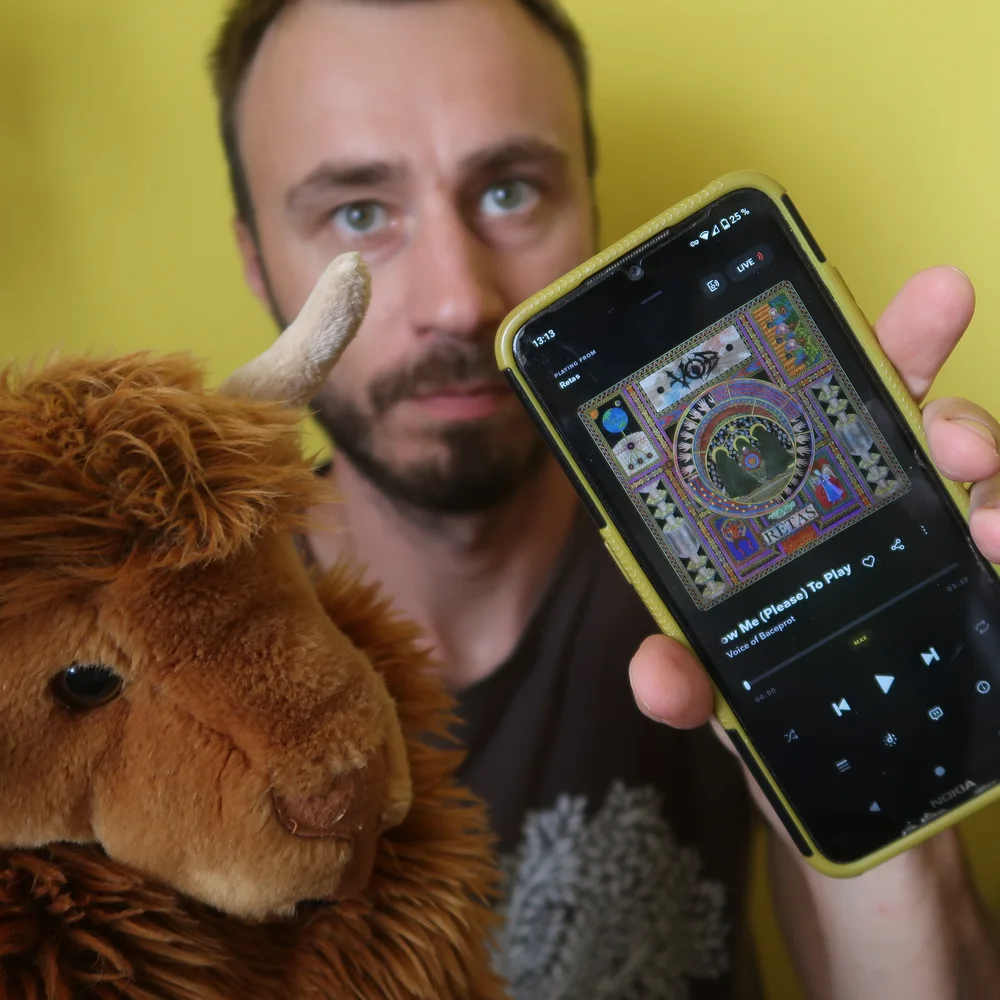
At the end of summer vacation, I was dealing with my approach to music. I can't imagine life without music.
But then something happened that broke my world.
I came across that investment by Daniel Ek, the owner of Spotify, which I've been subscribing to for years and until last week I was devouring it (Spotify, not Daniel).
Last modified: October 28, 2025
In short: Ek got rich running Spotify. He took his 15 billion and invested it in a company called Helsing (clear overview of the case here). But they don't press CDs. They make war drones. And they integrate artificial intelligence into them. The investment isn't one-time - the guy is also chairman of the board.
Note: To lighten things up a bit, here's a catchy Last Goodbye to Spotify by Formidable Vegetable.
Leave Spotify? But what about all those playlists?
I was dealing with the dilemma of whether to stay on the platform. I don't like that war technologies are being financed from my money. That's in conflict with art and my values. For me, art should have a positive note. It should uplift, heal, connect, break down stereotypes and traditions... but not destroy.
What about those playlists I've created over the years? What about that easy access to music?
It was grinding inside me. Similar feelings came as years ago when I was dealing with similar reasons (though there were more of them) leading to my resignation at work.
I started wondering how much Spotify pays artists: about 10 cents per stream. If an average album has 10 songs, the artist gets 1 CZK per album listen. If we take an album with a (lower) price of 200 CZK, we'd have to play it at least 200 times for the artist to break even. Massacre! For example, Tidal pays 30 cents (→ 67 listens). Damn difference.
I cancelled Spotify and switched to Tidal. At the same time, I'll buy CDs and mp3s from artists every month to support them. And build a music collection of evergreens independent of streaming platforms.
I support various creators and writers, but I checked off musicians by supporting them through Spotify and that's enough. Nonsense. Now I know. In the end, I'm glad for that difficult weekend. It hurt, but it was worth it.
Transfer to Tidal
Tidal was founded by artists. Compared to other streamers, it's not such a behemoth. The price of Tidal subscription is +-the same as Spotify.
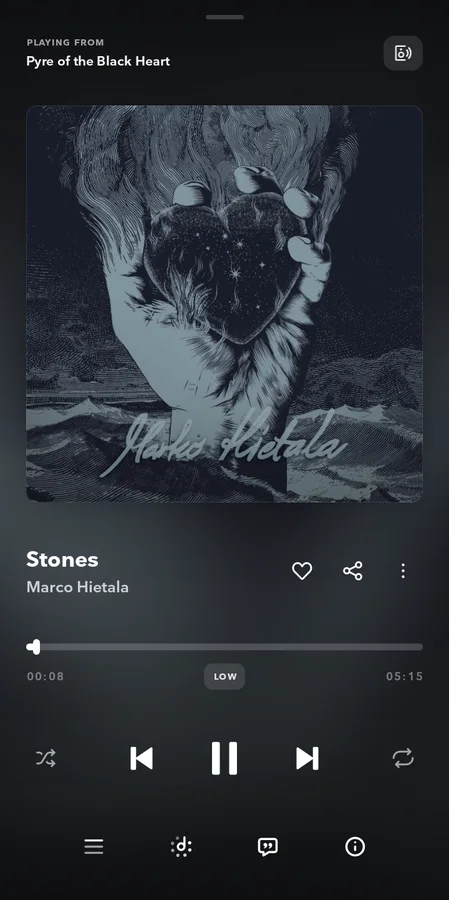
Registration is simple. After logging in, you'll see something that resembles the earlier Spotify before simplicity disappeared from it (and video and moving podcasts with subtitles appeared, which move without me starting them).
What advantages I see in Tidal over Spotify, you'll read at the end of the article.
Transferring playlists and music
For transferring playlists from Spotify, I used the app tunemymusic. After connecting Spotify and Tidal with the tunemusic app, music is exported from Spotify and imported to Tidal.
Tunemusic is free for up to 500 tracks. Above 500, you can pay 9.5 USD one-time. It's worth it. Otherwise, you'll spend years creating playlists and searching. Out of 318 albums on Spotify, 8 are missing on Tidal. For playlists, I'm also missing about 2-3% of tracks on Tidal. From what I've checked, the missing ones are really "quirky" tracks. I can do without them or buy them as mp3.
The only things that aren't done automatically are:
- Nesting podcast folders - this must be done manually in Tidal.
- Custom folder images also don't transfer.
Reviving old equipment with Tidal
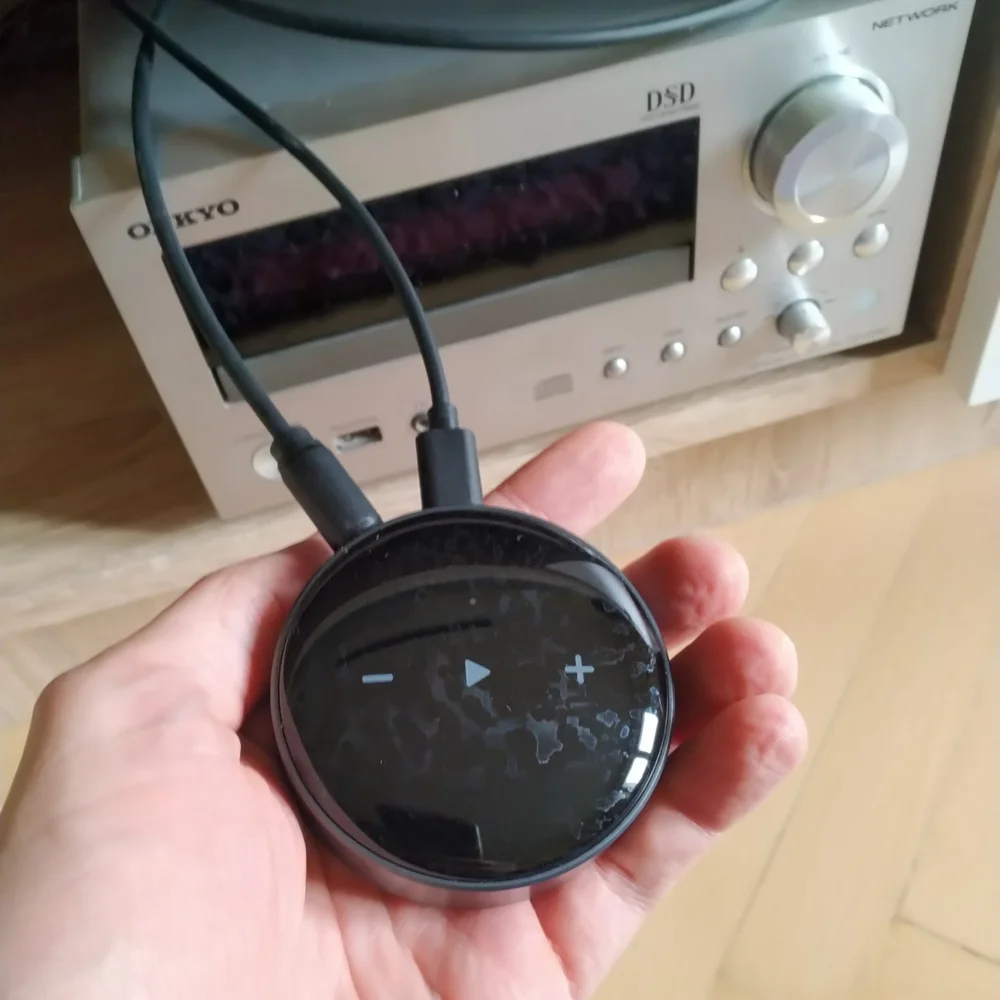
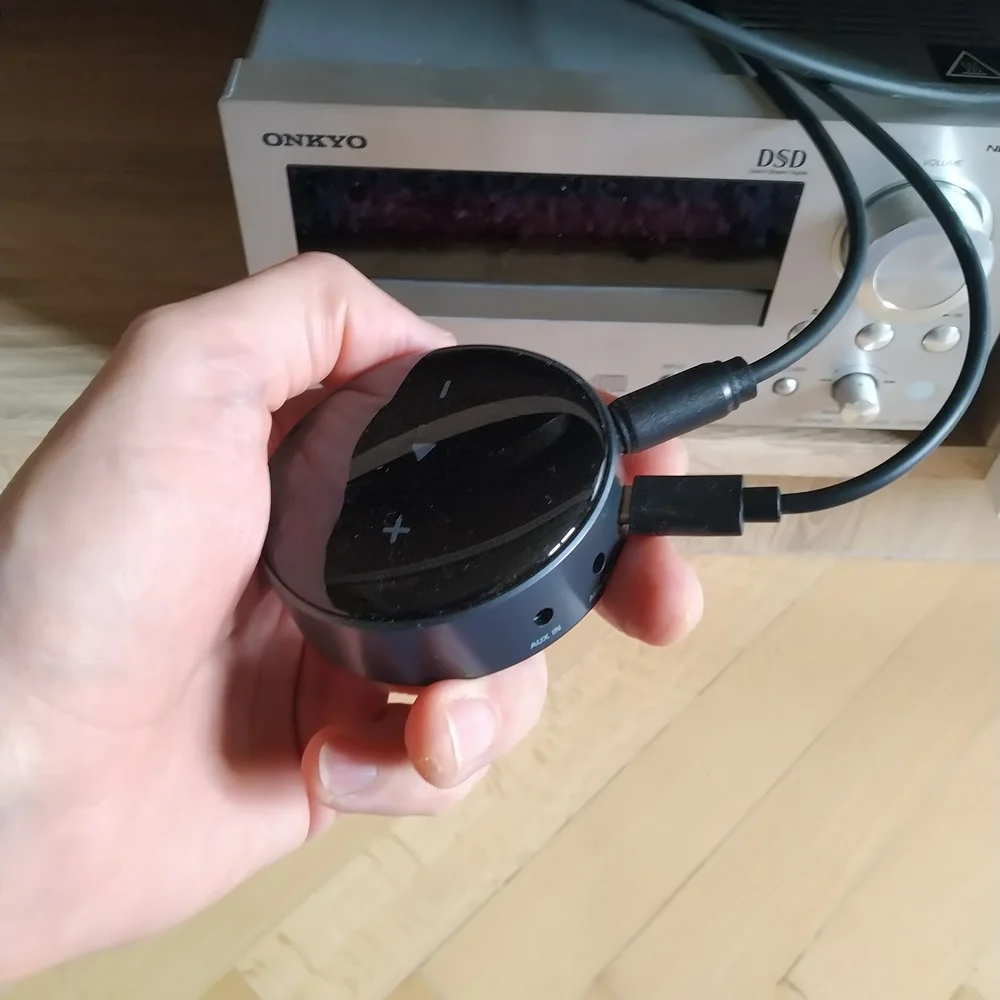
You can buy a network player that you connect to WiFi and to an audio system. I got Wiim Mini for 2700 CZK. It has a 3.5 jack output and higher quality SPDIF (optical output). Cables are included in the package.
Player setup is done through the app. Power is from the included adapter. I power the player from USB on the audio device. This has the advantage that the converter turns on and off with the stereo.
What about podcasts - Fountain
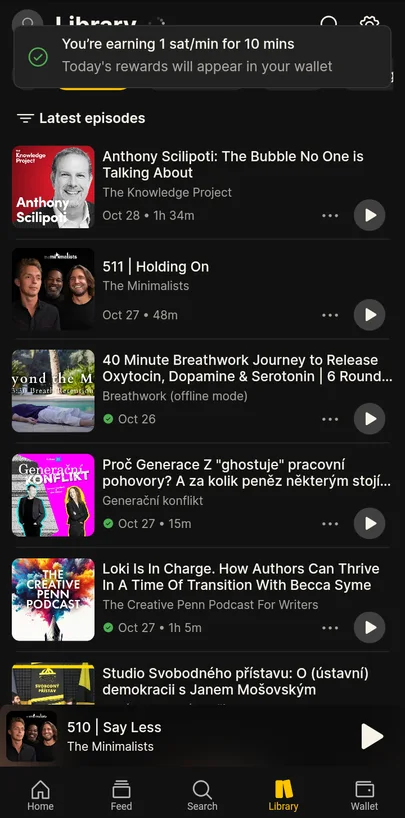
Tidal doesn't have podcasts → need to solve differently. The value4value app Fountain worked well for me. Fountain has its own bitcoin lightning wallet, which you can charge, while at the same time earning sats by listening. You then spend them on direct support for creators. You can set how many sats per minute you want to donate and the app pays according to minutes listened. Or you send one-time support with a comment. Or nothing.
The Fountain app is minimalist and has everything needed. Podcasts can also be downloaded. In the premium version (100 CZK/month) it can also do text transcripts.
How it works for podcast creators
Fountain uses the Podcasting 2.0 standard, which is an open protocol. If you add a podcast RSS through Podcast Index, the podcast is automatically on Fountain.
But beware - if you don't log in to Fountain as a creator, you can't receive payments from listeners. Sats that listeners would send you simply won't arrive anywhere.
Advantages of Tidal
Tidal is beautifully clear and has several advantages:
- Division of albums into regular releases, compilations, and live recordings.
- Sorting by album release (that's divine!).
- Clean and clear web player.
- The very first item in settings is Offline mode.
- It's possible to set stream quality - you see what you're setting (data rate and ADC quantization levels).
- Clips are on the side, don't disturb like on Spotify.
- Missing podcasts -> when selecting music, new episodes don't pull attention, which Spotify also automatically played with subtitles to grab your attention.
- Album cover is full width during playback.
Disadvantages:
- Doesn't have a Linux app.
- Older audio systems with Spotify Connect support are out of the game (can be solved with external device - see above).
- Doesn't have podcasts (yes, it's also a disadvantage).
Questions
After sharing my Spotify subscription cancellation (in Zero Waste Digest), I received a series of questions/comments. The most frequently repeated were these two:
"I only use the free version of Spotify"
Even so, Spotify still makes money from you through advertising. Advertisers pay them for listeners. I'm not judging at all. I'm stating and fully respect a different path. And it's clear that similar conflicts of interest will be on every (corporate) corner.
"What about poor YouTubers? They're in the same situation as artists."
Here I see a difference - YouTubers emerged together with the platform. Music streaming emerged long after artists and eventually outgrew them. Today they're in a position where if you're not on a streaming platform, it's as if you don't exist.
Conclusion
I don't like that Spotify gets rich on low rewards to artists, which the owner then takes and pours into an industry completely outside of music. Strongly in conflict with humanity and art. Sure, it's Ek's private money. But he got it running Spotify, where he parasitizes on artists.
So I removed my story podcast from Spotify (yes, it was still hanging there) and I'll gradually remove Plnotučné zero as well, which although not active, is still there.
Twice-monthly curated nuggets about conscious living, sustainability, and the art of slowing down.
Written by someone who uses a bidet, composts religiously, and thinks bitcoin might save the world.